How to Properly Dispose of DIY Boating Chemicals and Materials
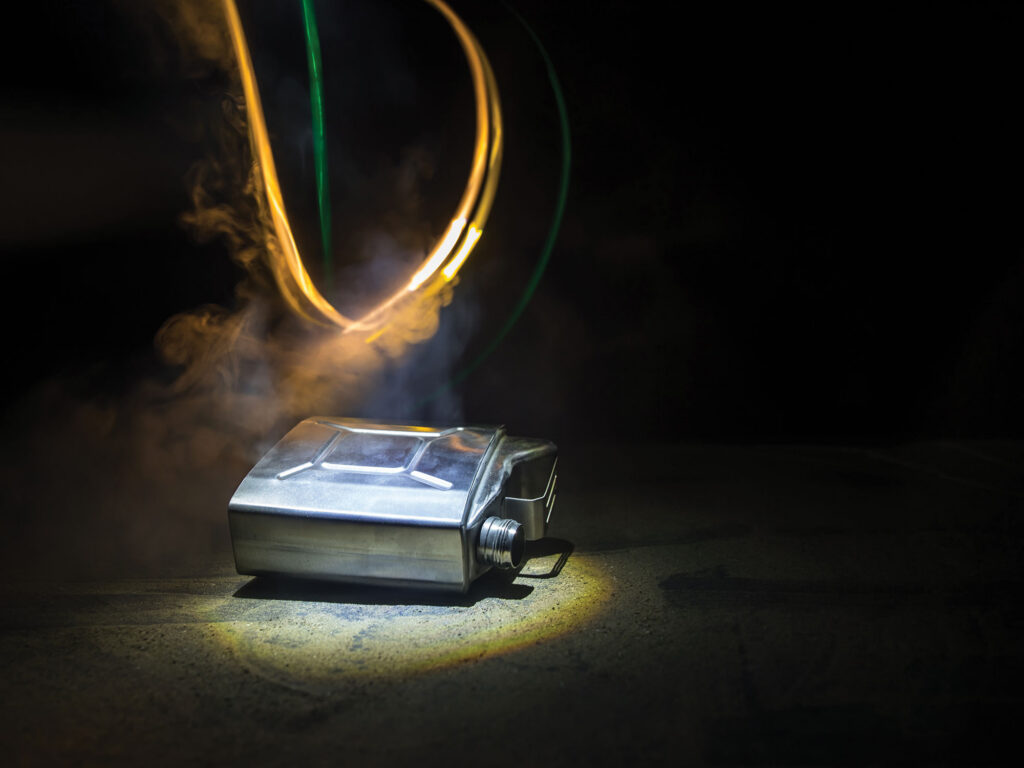 DIY boat repair and maintenance results in waste products that can be hazardous to both people and to the environment.
Zef Art/stock.adobe.com
DIY boat repair and maintenance results in waste products that can be hazardous to both people and to the environment.
Zef Art/stock.adobe.com
Boat care and maintenance is rewarding, but dealing with the leftover chemicals and materials often leaves the do-it-yourselfer with a dilemma—how to properly dispose of the by-products of that maintenance without harming the environment or themselves. Carelessness costs.
It’s estimated that a single gallon of dumped or spilled gasoline is capable of contaminating 750,000 to 1 million gallons of water. Old bottom paint can release toxic metals that unnecessarily contaminate waterways and kills marine life. Wondering how to dispose of various DIY substances the right way? Here are some suggestions. Spoiler alert: You’ll want to put the phone number of your local Household Hazardous Waste facility on speed dial.
GasolineNever pour old gasoline down the drain or into the ground. Instead, carefully pour it into an approved, sealed container—much like fresh gasoline—and leave a little space for expansion. Local fire departments or repair shops will sometimes accept small quantities. Contact your local waste-management service for locations, drop-off sites, or a licensed private waste hauler.
Oil/Oil FiltersRecycling and refining used motor oil uses up to 85 percent less energy than refining virgin crude. Oil filters can also be recycled for their steel. Pour contaminated oil into sealable plastic containers. Puncture used filters to allow them to drain into the same container for at least 12 hours. Collection sites include marinas, repair shops, and auto-parts stores—just ask. When in doubt, contact your local waste-management authorities.
PaintsDepending on local regulations, dried-up latex paints may be allowed in household trash. Oil-based paints or those containing copper or other biocides are considered hazardous waste. Store leftovers in sturdy, sealed containers. Don’t forget used brushes, rollers, drop cloths, or rags. Dispose of all of the above at your local hazardous-waste center or through a scheduled pickup. One good consideration for leftover paints: Offer them to other boaters to reduce waste and save them a bit of money.
Anodes/ZincsSacrificial anodes are made from zinc (most common in salt water), magnesium or aluminum. None belong in household trash or dumped overboard, but all can be recycled. Find a local scrap-metal hauler or dealer that accepts non-ferrous metals. Some marinas also serve as collection points. When in doubt, contact your local hazardous-waste management.
Oily/Greasy RagsAs they dry, some oily rags can release heat, increasing the risk of spontaneous combustion—especially when clumped together. Dry rags individually outdoors in a shaded area, submerge them in a metal container with detergent, or collect them in a UL-listed metal container with a tight lid. Dispose at a local hazardous-waste facility.
Read Next: The Safest Soaps for Your Boat and the Environment
AntifreezeThough marine-rated propylene glycol is considered less toxic than its automotive counterpart, ethylene glycol, used antifreeze can contain heavy metals harmful to both human and aquatic life. Like motor oil, some can be recycled, filtered and reconditioned for reuse. Store it in sealed containers—the original container is a good choice. Contact your local waste-management authority for a collection facility.
Lead-Acid BatteriesAs lead and sulfuric acid are toxic to the environment, it’s illegal to dispose of lead-acid batteries in household trash. In fact, the sale and disposal of car and boat batteries is strictly regulated. Most auto-parts stores, marina supply or auto centers are required to accept old batteries for recycling (often seen as a minimal core fee on the receipt when making a new purchase). The good news? The vast majority of a spent battery can be recycled. In fact, recycled components are often found in that new battery.
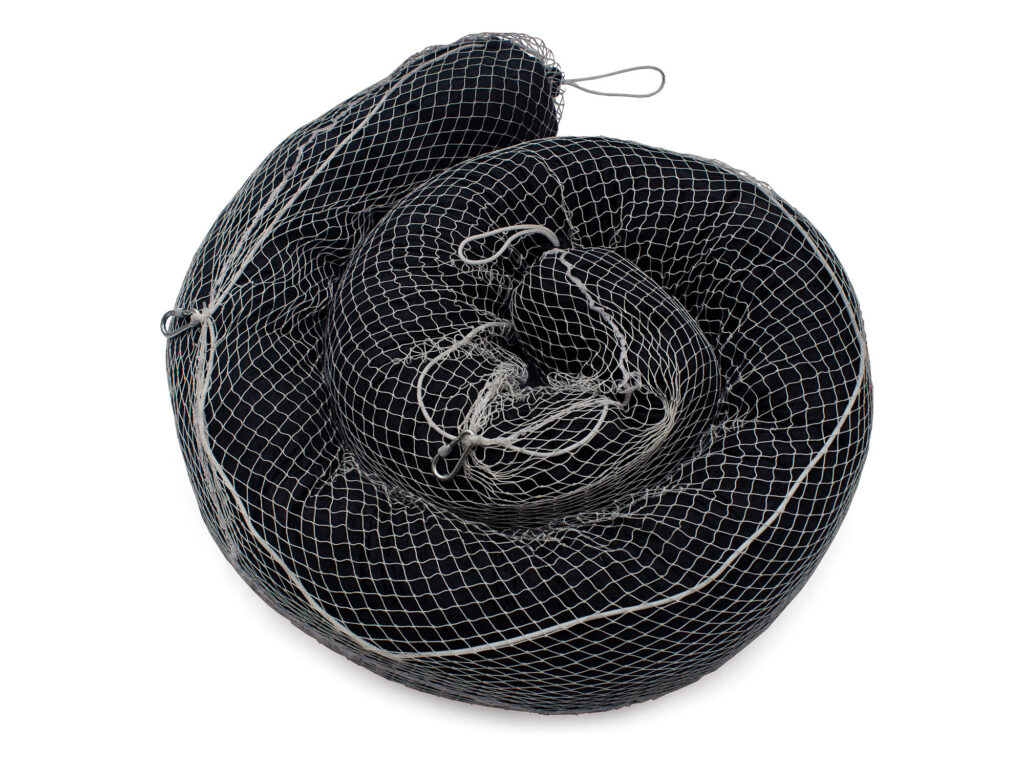 Oil-absorbent sheets and booms are handy to keep on board.
Vipavlenkoff/stock.adobe.com
Don’t Soap That Spill!
Oil-absorbent sheets and booms are handy to keep on board.
Vipavlenkoff/stock.adobe.com
Don’t Soap That Spill!
We’ve all probably seen someone spill fuel and squirt dish soap into the slick to “break it up.” Don’t do it. Not only is it illegal, but soap acts as a dispersant, breaking the slick into smaller droplets and forcing it deeper into the water. Oil-absorbent sheets soak up oil and gas but repel water. Keep some on hand whenever you’re filling up at the dock or changing your oil. Oil-absorbent booms can also be placed in the bilge to collect oil and gas so that it doesn’t get pumped overboard with bilge water.
The post How to Properly Dispose of DIY Boating Chemicals and Materials appeared first on Boating Mag.