Maintaining Boat Trailer Wheel Bearings
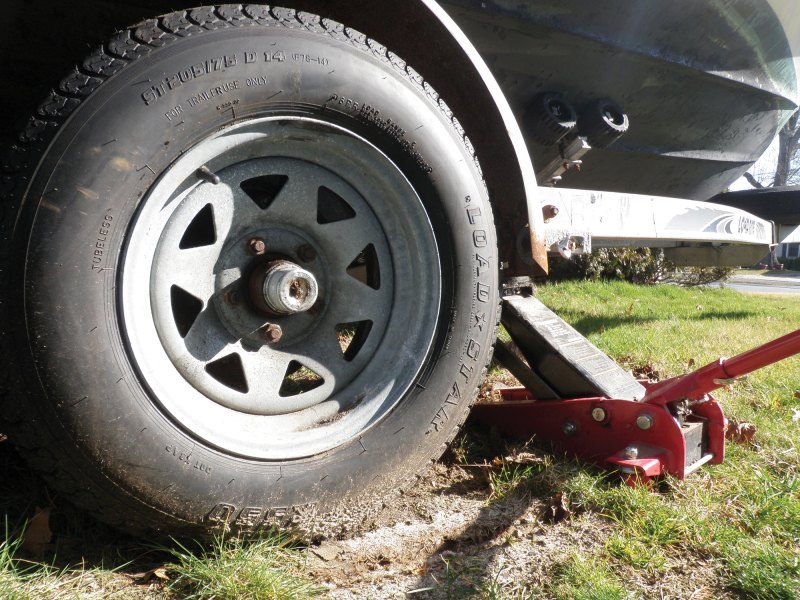 Repack your boat trailer’s wheel bearings while at home to reduce the chances of a bearing failure while on the road.
Kevin Falvey
Repack your boat trailer’s wheel bearings while at home to reduce the chances of a bearing failure while on the road.
Kevin Falvey
Repacking your boat trailer’s wheel bearings annually pays dividends in reliability. Water intrusion breaks down grease and invites corrosion, so fresh packing isn’t optional. Here’s how to do it right.
Start by safely elevating the trailer. Chock the opposite wheel to prevent movement. Next, use a jack to lift the side you’re working on and support it with a jack stand, or blocking. You don’t want to rely solely on the jack to support the weight.
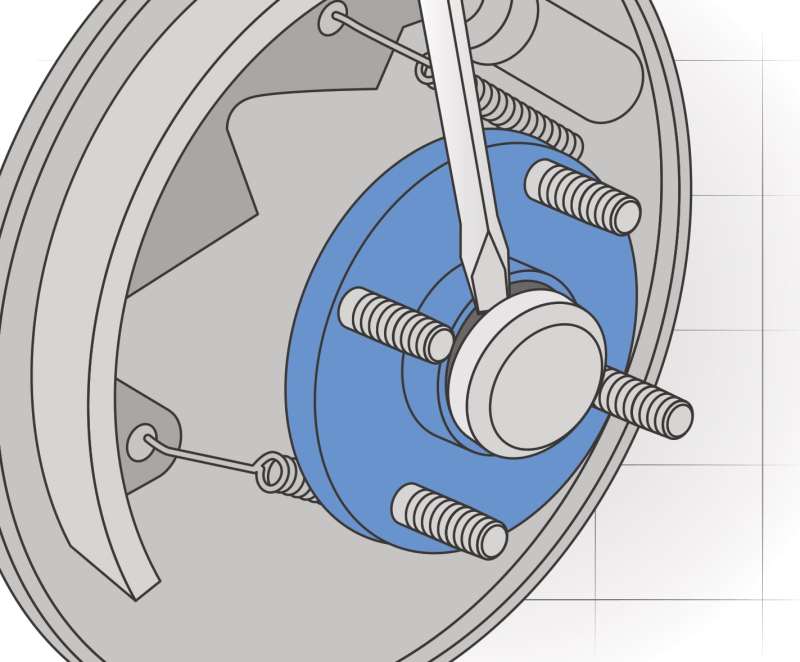 The first step is to remove the dust caps.
Boating Magazine
The first step is to remove the dust caps.
Boating Magazine
Now, remove the wheel, then pry off the dust cap from the hub using a flathead screwdriver or a soft mallet. If you have a trailer-hub bearing protector, I suggest you knock it loose with a dead-blow hammer. Straighten and pull the cotter pin or clip from the spindle nut, then remove the nut retainer and spindle nut. Slide the hub assembly forward slightly—this will allow you to pull out the outer bearing.
Next, carefully slide the entire hub off the axle’s spindle. The inner bearing will be held in place by a grease seal at the back of the hub. Use a dedicated seal puller or gently tap it out from the front side. Discard the old seal—you’ll replace it later.
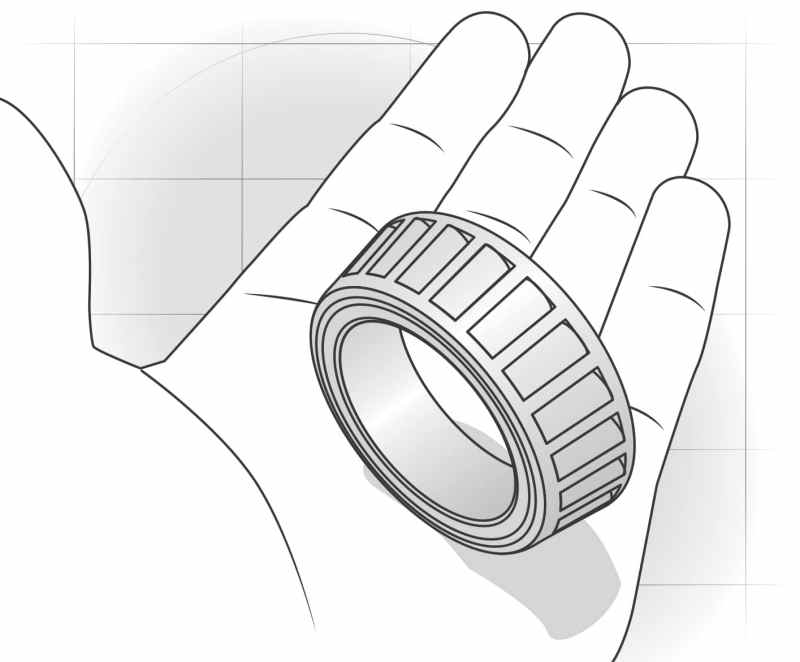 Inspect the bearing for rust and other damage.
Boating Magazine
Inspect the bearing for rust and other damage.
Boating Magazine
With both bearings out, clean them thoroughly, first with paper towels and then using a solvent such as mineral spirits or a dedicated parts cleaner. Spin them gently while flushing out all the old grease, dirt, and contaminants. Once clean, inspect the rollers and races for pitting, discoloration, or scoring. If you see damage, replace the bearing and race as a matched set. You will need a race puller and a press tool to replace the race. Or, you can use a bronze drift to tap it out gently, then tap in the new one using a socket of the same right diameter.
If the bearings are pitted, colored blue or black, scored, galled or rusted, replace them. If in doubt, replace them anyway; new ones are cheap. Replace the bearing races as well; these are matched to the bearings. They can be removed and installed with a hammer and punch.
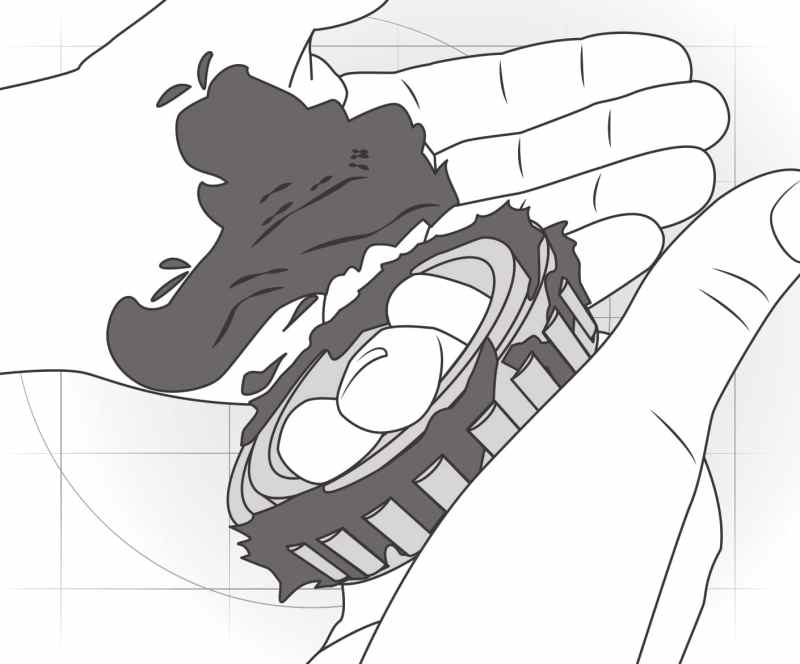 Greasing boat trailer bearings with a bearing packer makes the job easier.
Boating Magazine
Greasing boat trailer bearings with a bearing packer makes the job easier.
Boating Magazine
Now comes the critical step: packing the bearings with fresh marine-grade grease. Place a gob of grease in your palm and press the bearing into it repeatedly until grease pushes through the rollers from the opposite side. Rotate and repeat until the entire bearing is fully packed. Alternatively, you can use a bearing packer tool for a cleaner, faster job.
Read Next: Planning for a Boat-Trailer Breakdown
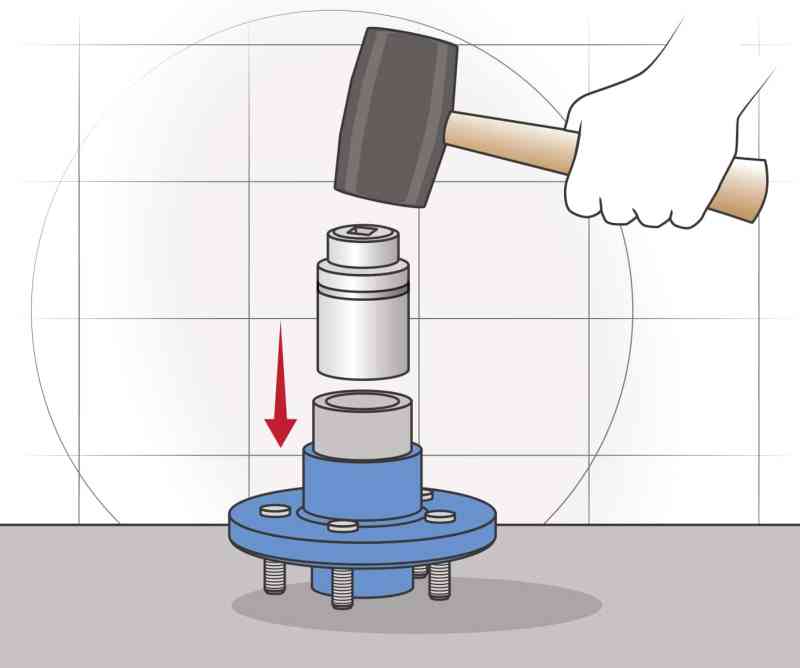 Tap the greased inner bearing and race into the hub with a mallet until flush.
Boating Magazine
Tap the greased inner bearing and race into the hub with a mallet until flush.
Boating Magazine
Lightly grease the inside of the hub, then reinstall the inner bearing and tap in a new grease seal until it’s flush. Slide the hub back onto the spindle, insert the outer bearing, followed by the washer and spindle nut. Tighten the spindle nut while rotating the hub to seat the bearings, then back it off slightly to achieve a snug fit without binding. The hub should spin freely with minimal play. Install the nut retainer and a new cotter pin, bending the ends to secure it.
Finish by tapping the dust cap back into place and reinstalling the wheel. Lower the trailer and torque the lug nuts to spec.
Done properly, this job keeps your trailer rolling smoothly and helps prevent the kind of roadside—or ramp-side—failures that can ruin a day on the water.
How to Tighten the Boat Trailer Hub Castle NutTo tighten the hub castle nut properly after having slid in the hub with rear seal and bearings installed, tighten the nut as you spin the hub until it slows the hub from turning. Next, back off a quarter-turn and push on the sides of the hub to check for wobble. If you try this step a few times, you’ll get a feel for how tight the nut should be. If it’s too tight, the bearings will wear prematurely; if it’s too loose, the wheel will wobble. You need to find the “sweet spot” that allows free turning without wobble, so several tightening and loosening actions may be required. Congrats, you have officially finished important boat trailer maintenance.
The post Maintaining Boat Trailer Wheel Bearings appeared first on Boating Mag.